
How Your Book Could Support Your Next Consulting Offer

Your book could support your next consulting offer by helping potential clients understand a challenge, explore your approach and see how your expertise could help them make progress. The starting point is the connection between what your book gives its reader and what your consulting helps a client achieve.
Think about the consulting work you would most like to win next. Perhaps it’s a larger project, a longer advisory relationship or work that draws more fully on the expertise you’ve developed over the years.
Now think about your book. Where does it connect with that ambition? Which ideas, questions or approaches within it could help a prospective client understand why that work matters, and why they might want your help?
That connection is worth exploring. If your commercial goal is to win consulting projects, your book’s value includes what it helps the right people recognise, understand and act upon.
How can I connect my book to my consulting offer?
To connect your book to your consulting offer, identify where its ideas help your ideal client understand a challenge you can help them address. Begin with the work you want to win, then revisit your book with that goal in mind.
Perhaps you want to work on larger projects, build longer advisory relationships or focus on a particular area of your expertise. Getting specific about that ambition will help you see which parts of your book could support it.
Who would you like to work with? What would they be dealing with when they came to you? What would you help them change, and what would a successful outcome look like?
Your answers give you a useful way to revisit your book. You can begin looking for the material that speaks directly to those people and their situation.
You might find that one chapter has a particularly strong connection with the work you want to win. A question you explore could become the starting point for a valuable client conversation. A framework you explain might help someone understand the approach you would take with their business.
You’re looking for the places where your expertise meets a client’s reason to act. Which part of your book would help them see why the work you’re offering matters to them?
How can my book help potential clients recognise they need my expertise?
Your book can help potential clients recognise a need for your expertise by giving them a clearer understanding of their own situation. Your ideas, examples and questions can help them identify a challenge or opportunity and consider what addressing it would involve.
Look at your book through the eyes of a potential consulting client. What might they recognise about their business as they read it?
Perhaps they would notice that a challenge they’ve treated as an isolated issue is part of a wider pattern. Perhaps they would see a different way to approach a decision. Or they might realise that an ambition they’ve been discussing needs a clearer plan.
Then consider what they would want to do with that discovery. What could they apply themselves, and where would your experience, judgement or guidance help them move forward?
Your book can help a reader understand their situation; your consulting can help them apply that understanding to their particular circumstances. The connection should be clear enough for them to see how working with you could help.
How can I turn the ideas in my book into a consulting offer?
To turn the ideas in your book into a consulting offer, identify a process, framework or set of questions you could help a client apply. Then consider the outcome that work would support and the form of help the client would need.
Take a closer look at the approaches and principles you return to throughout your book. Is there a process you use repeatedly? A sequence that helps people move from understanding a problem to making progress? A distinctive way of interpreting what’s happening?
These can help you explain how you work and what clients can expect from the experience. They may also reveal the foundations of an offer you haven’t fully articulated yet.
You might discover that your material lends itself to a focused diagnostic, a workshop, a structured programme or an ongoing advisory relationship. The right format depends on the client’s needs and the outcome you can help them achieve.
A practical question to ask is: which part of this material becomes more valuable when I help someone apply it? That gives you somewhere concrete to begin.
Whether your book is an emerging idea, a draft in progress or already published, book a clarity call to explore how it could support your business goals.
Book your clarity callHow can I use my book in conversations with potential clients?
You can use your book in conversations with potential clients by sharing material that helps them explore the challenge or opportunity you’re discussing. Choose a relevant passage, question or framework and explain why it could be useful to them.
Before an initial conversation, a section could help someone reflect on what they want to discuss. During the conversation, a framework could give you a shared way to explore what’s happening. Afterwards, a carefully chosen passage could help them consider an idea in more depth.
Be specific about why you’re sharing it. “Chapter four explores the issue you mentioned, particularly the questions around how you’re approaching it” gives someone a clear reason to read.
You can also review the invitation within the book itself. Does it help a suitable reader understand what they could explore with you next? Does it connect with the work you now want to do?
If your business has developed since publication, that’s a useful place to revisit. The ideas may still be relevant while the next step needs updating.
Where should I start if I want my book to generate consulting enquiries?
To start using your book to support consulting enquiries, choose one offer, one type of client and one relevant part of your book. Work out how that material could help the client recognise an opportunity and understand the support you can provide.
Write down the outcome you want to help that client achieve. Find the material that would help them understand the need or opportunity. Then consider what support would help them apply it.
That exercise may reveal a clearer way to explain an existing service, suggest a new offer or show you where the connection needs developing. Each is a useful discovery because it gives you something specific to work on.
At Write Business Results, we consider the commercial destination alongside the reader and the book’s central idea. That relationship matters both when you’re planning a book and when you’re exploring what an existing one could do next.
Whether your book is an emerging idea, a draft in progress or already published, book a clarity call to explore how it could support your business goals.
Book your clarity callRelated posts
How Your Book Could Support Your Next Consulting Offer

5 Powerful Metrics To Measure Your Book Launch Success
How to Communicate Like a Hostage Negotiator




.jpg)



How to Monetise Your Business Book After Launch: Proven Strategies From Industry Experts
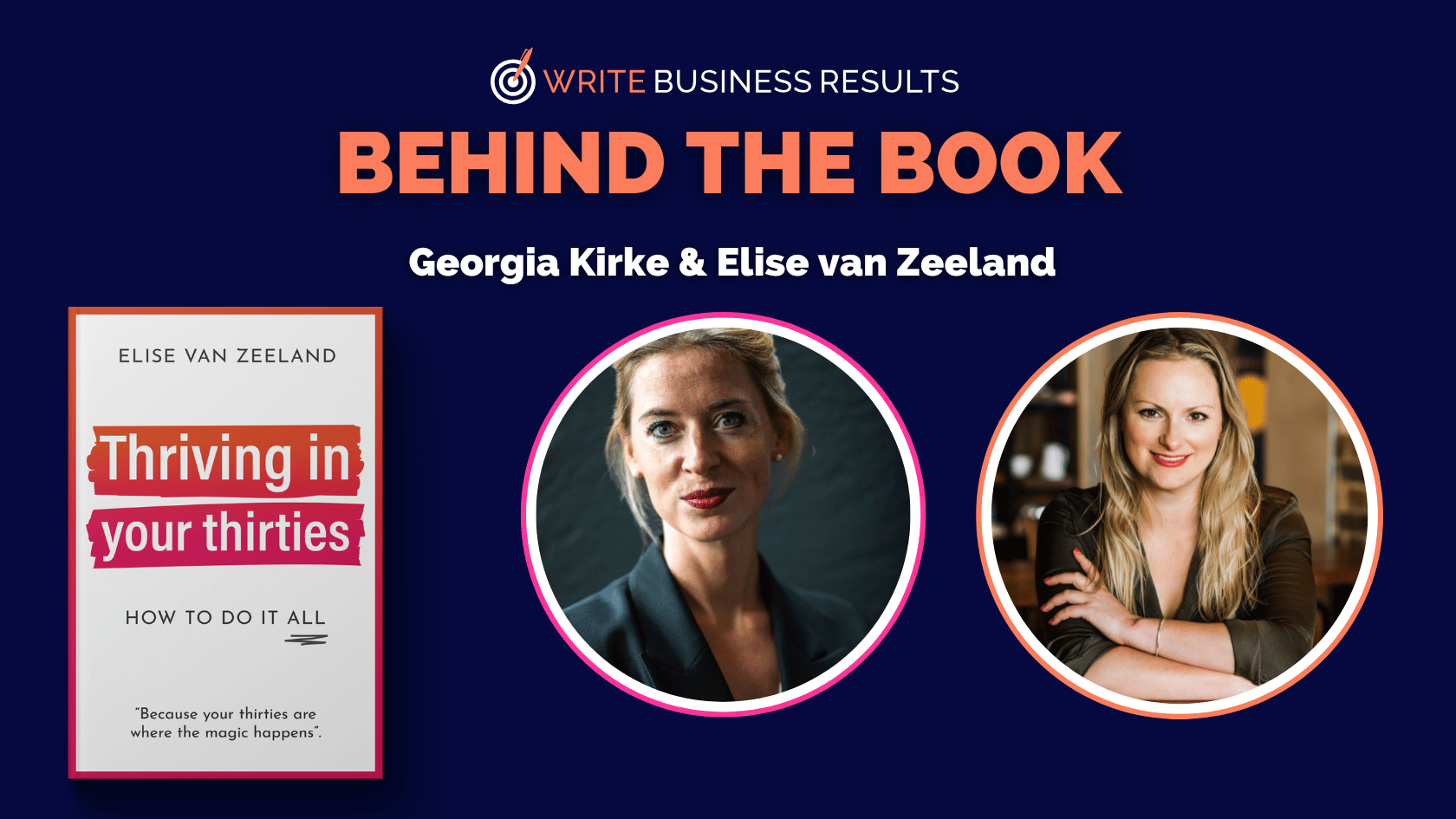
Thriving in Your Thirties: How Elise van Zeeland Turned Lived Experience Into a Message That Resonates

How Expert Content Shapes Company Culture and Longevity

How to Turn Your Content into Commercial Assets
How to Elevate Your Personal and Professional Brand Through Content

How to Become the Go-To Expert in Your Industry

The Hidden Power of Expert Content

What Is Book Publicity? The Ultimate Guide To Creating A Book Publicity Campaign
The Top 10 Business Book Awards For 2025 And Why You Need To Enter Them
%2C%20And%20What%20To%20Do%20With%20It..jpg)
Why You Are Actually Creative (even if you think you’re not), And What To Do With It.
What Are the Most Effective Creative Writing Techniques for Business Books?

111 Simple Phrases That Will Massively Improve Your Writing
Book Trailers: What They Are And Why They're Effective Promotional Tools
The Best Book Marketing Tools for 2024

The Major Amazon Update You Need To Know About

How to Launch Your Business Book Successfully

The Ultimate Checklist for a Business Book That Sells

AI Vs. Human: Which Narrator Will Easily Make Your Audiobook A Bestseller?

3 YouTube Strategies That Will Make Publishers Beg to Work With You