10 Benefits of Having an Ebook in 2026
In today’s fast-moving business world, staying visible and valuable means continually adapting. As business leaders, we're expected to not only evolve our services and products, but also how we communicate our ideas. Thought leadership now requires more than sporadic content or static websites, it calls for consistent, accessible assets that deepen trust and expand reach.
That’s where ebooks come in.
Whether you're an entrepreneur, founder, or subject matter expert, an ebook is one of the most powerful ways to share your knowledge, build authority, and create new opportunities. And thanks to digital publishing tools, it's never been more accessible or cost-effective to create.
In this post, we explore the 10 key benefits of having an ebook in 2026. Each point is backed by what we're seeing in the market today, including shifts in reader behaviour, technology, and digital marketing trends. We’ll also look at practical examples, link to trusted resources, and offer tips to help you maximise each benefit for your brand.
A Brief History of the Ebook
Michael S. Hart, the founder of Project Gutenberg, created the first ebook in 1971. His vision? To make literature as freely available as the air we breathe. Decades later, his mission has been realised: ebooks are now part of our everyday lives, and for business leaders, they offer an unmatched opportunity.
At Write Business Results, we often hear leaders worry that writing a book feels too complex, time-consuming, or costly. But the rise of ebooks has removed many of those barriers. Your ebook can now be created quickly, shared globally, and used strategically across your business.
So what exactly can an ebook do for you? Let’s dive into the 10 biggest benefits.
1. Convenience for You and Your Audience
Ebooks can be accessed and downloaded anywhere there's an internet connection. Whether your readers are at home, commuting, or abroad, they can access your insights within seconds on any device.
This makes ebooks ideal for engaging with time-poor audiences. Many business professionals prefer content they can consume during their downtime, whether that's between meetings or on the move. Offering that level of flexibility builds goodwill and expands your potential audience.
According to Ofcom’s research on adults’ media use, digital formats continue to dominate how people consume long-form content, particularly on mobile and tablet devices.
2. Instant Accessibility
No shipping delays. No stock issues. No waiting.
Book a Clarity Call to explore how an ebook could support your business goals.
Ebooks deliver instant gratification. As soon as someone opts in, clicks purchase, or receives your link, they can read your work. This reduces friction and increases the chances of action, whether it's booking a call, joining your email list, or engaging your services.
It also allows you to tie your ebook to a wider content funnel: email sequences, nurture campaigns, video series, and more. By using it as a lead magnet, you can grow your list while immediately delivering value.
3. Inclusive and Adaptable
Many ebook readers offer adjustable type sizes, display settings and text-to-speech support. The features available depend on the file format and reading app. Accessible structure, meaningful headings and image descriptions still need to be built into the ebook.
From a UX perspective, this is crucial. Inclusion is no longer a nice-to-have, it’s a requirement. By designing with accessibility in mind, you demonstrate that your brand values all readers.
These features align closely with recognised digital accessibility standards, including guidance set out by the W3C’s Web Accessibility Initiative.
4. Offline Usability
Once downloaded, ebooks are stored on the reader’s device. That means they can be accessed without an internet connection, perfect for travel, spotty Wi-Fi, or long commutes.
For you, this means your ebook becomes a passive yet powerful brand touchpoint. Imagine a prospective client reading your ebook on a plane and reaching out once they land. You’re building relationships without needing to be present in real time.
5. No Printing or Physical Shipping
Ebooks leave no paper trail, literally.
Ebooks avoid printing, packaging and physical shipping. They still have an environmental footprint through devices, electricity and digital infrastructure, so avoid describing them as zero waste.
Highlighting the environmental benefits of digital assets can also become a key part of your brand messaging. It positions you as a forward-thinking, values-led leader.
Organisations focused on sustainability often look to frameworks such as those provided by the Carbon Trust when assessing and reducing their carbon footprint.
6. Easy to Discover
With the right keywords and metadata, ebooks are incredibly search-friendly. Whether hosted on Amazon, your website, or a content platform, they can be indexed by Google and shown in search results.
If you use an ebook as a lead magnet, give it a clear landing page with a useful description, relevant search terms and a simple next step. Include alternative text for images and organise the page with meaningful headings.
7. Portable and Practical
Your audience doesn’t want to carry a 300-page book to a meeting. But a smartphone? That goes everywhere.
Ebooks allow your audience to take your insights with them in a convenient, compact format. This portability increases usage and encourages deeper engagement over time. Clients can highlight key sections, reference them in meetings, or forward them to colleagues.
As more people access content on mobile devices, portability isn’t just a perk, it’s expected.
8. Built-In Interactivity
Ebooks aren’t static. Many platforms now allow for:
- Hyperlinks.
- Embedded video.
- Interactive infographics.
- Highlighting, note-taking, and annotations.
This allows you to deliver more than information, you can offer a fully interactive learning experience.
Choose the format for your reader’s needs and test it on the devices they use. Hyperlinks are useful in PDFs and EPUBs; embedded media and other interactive features depend on the format and reading app.
9. Lower Distribution Costs
Ebooks avoid print runs, storage and postage, which can reduce production costs. A useful business ebook still needs careful planning, writing, editing and design. Its return depends on the quality of the content and how you use it.
Many of our clients use ebooks to:
- Launch new products.
- Educate prospects before sales calls
- Warm up leads before events or webinars
- Enhance onboarding and retention
Because ebooks can be updated easily, they also adapt to your evolving message. You’re not stuck with a static asset, you can refine and relaunch with minimal cost.
10. Enhanced Learning and Translation Tools
Modern ebook platforms come equipped with features that make learning and engagement easier than ever. Built-in dictionaries, translation tools, and AI-powered summarisation help readers absorb complex information quickly, while supporting global accessibility.
For B2B audiences, this is particularly valuable: buyers often engage with multiple content formats before making decisions, and ebooks provide a concise, reusable resource that can be shared across teams. According to the 2024 State of B2B Content Consumption Report, business buyers consistently prioritise value-driven resources early in their research, making accessible, interactive ebooks an ideal tool for building credibility and influencing decisions.
These features reduce friction, increase knowledge retention, and position your content as both practical and authoritative, all while supporting diverse learning styles and multi-language needs.
How to Make the Most of Your Ebook
Creating an ebook is just the beginning. To maximise impact:
- Link it to a clear marketing funnel.
- Promote it across your channels.
- Repurpose chapters into blogs, videos, or podcast episodes.
- Include it in your client onboarding and proposals.
Most importantly, make sure it aligns with your wider strategy. An ebook that feels disconnected from your brand or offer won’t deliver the ROI you want.
The Bottom Line
An ebook is more than a marketing tool. It's a scalable, sustainable, and strategic way to share your expertise.
Whether you want to grow your audience, nurture leads, or establish thought leadership, an ebook can support your goals, all without heavy production costs or long turnaround times.
Email info@writebusinessresults.com to find out how we support business leaders and subject-matter experts in turning their ideas into authority-building ebooks.
Book a Clarity Call to explore how an ebook could support your business goals.
Related posts
How Your Book Could Support Your Next Consulting Offer
5 Powerful Metrics To Measure Your Book Launch Success
How To Turn Your Existing Case Studies Into A Powerful Book That Sells

How to Communicate Like a Hostage Negotiator

5 Tips For Writing SEO Content And Boosting Your Visibility

How To Make Money With Your Book: Using Your Book As A Lead Magnet
How To Build An Author Ecosystem And Become A Credible Authority

How Do You Make £100k a Year With a Book?

How to Make Your Self-Published Book a Bestseller in 2026
10 Benefits of Having an Ebook in 2026
.jpg)
10 Reasons Your Podcast Isn't Generating Results (And How To Fix It)

What Makes A Great Business Book?

How A Lonely Surgeon Became A Social Media Sensation By Spreading Joy
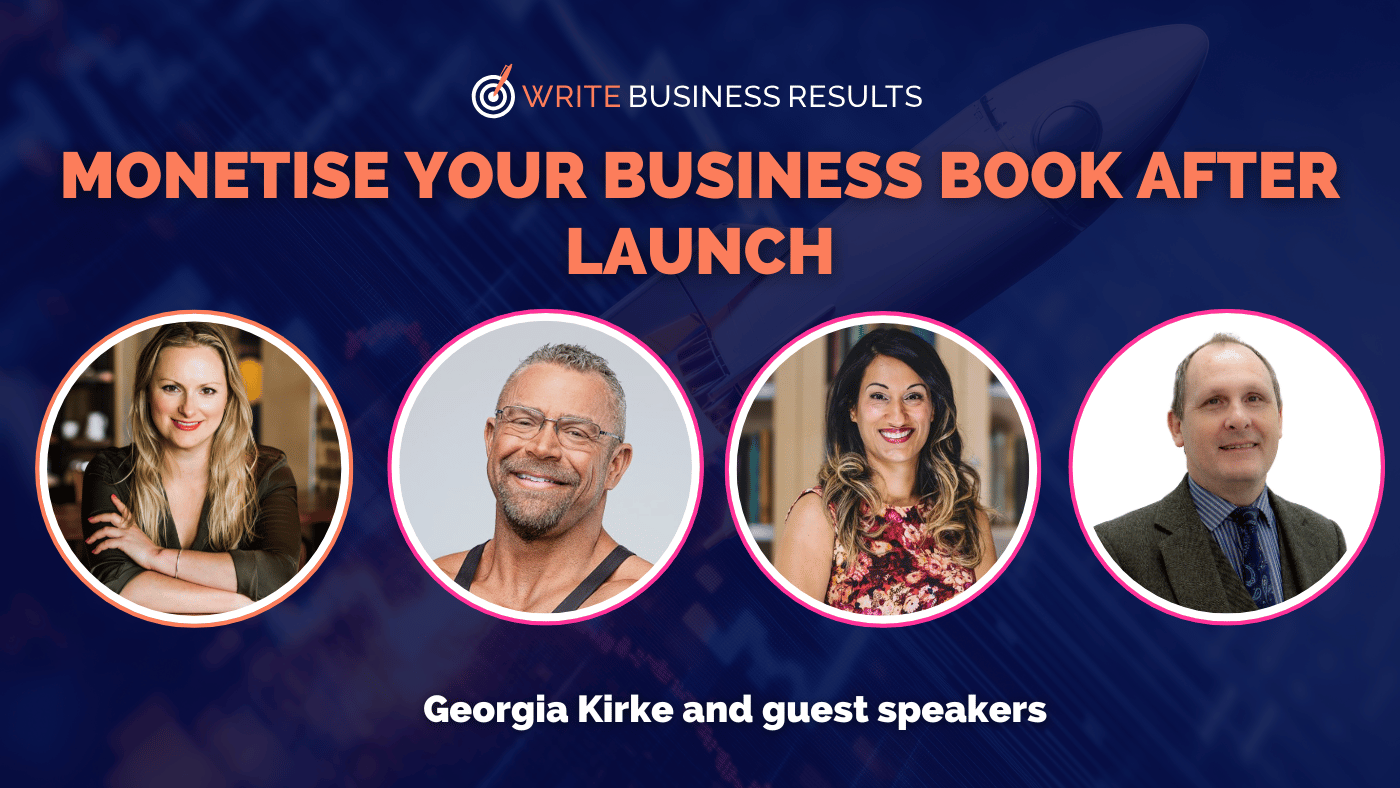
How to Monetise Your Business Book After Launch: Proven Strategies From Industry Experts
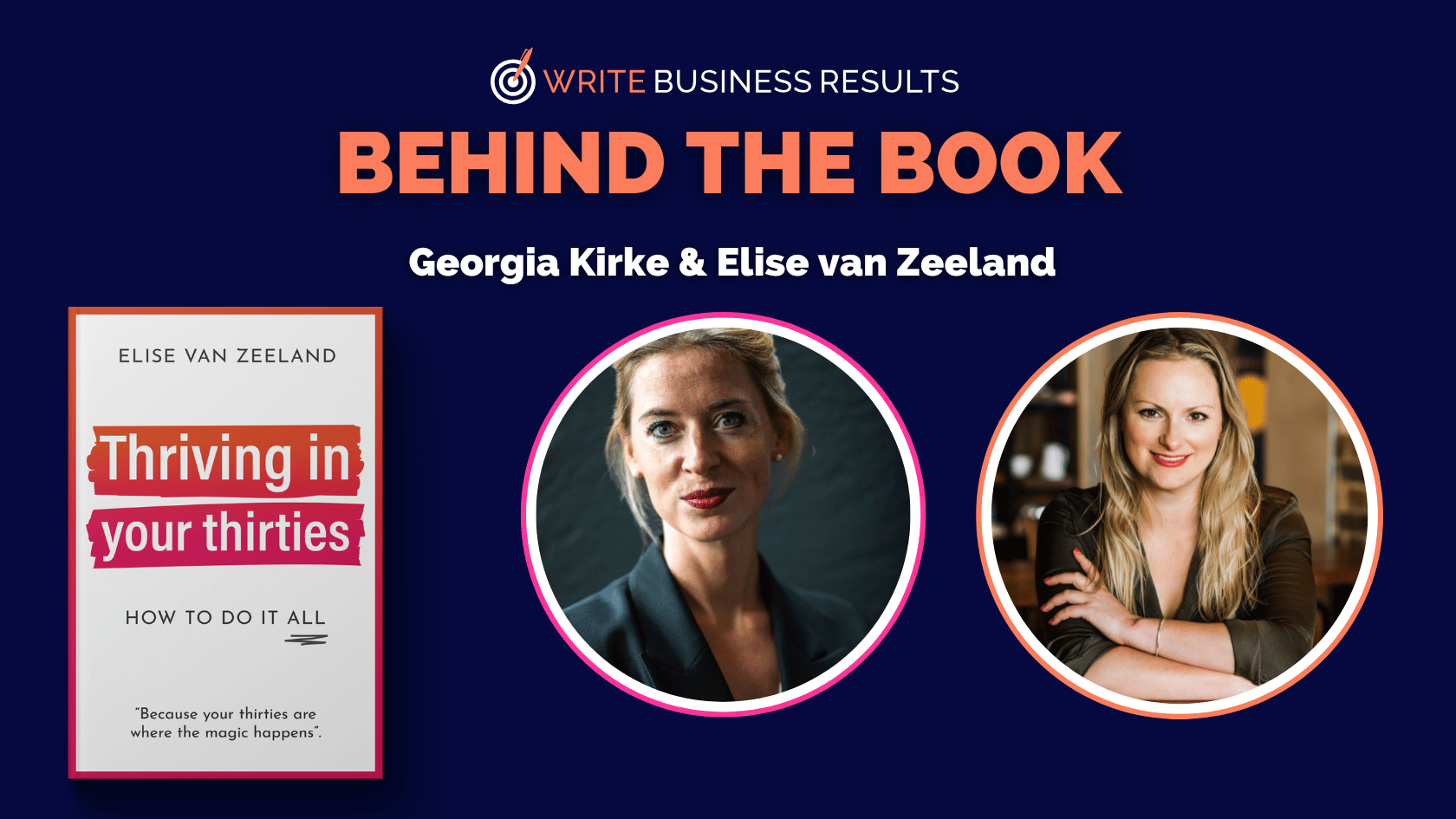
Thriving in Your Thirties: How Elise van Zeeland Turned Lived Experience Into a Message That Resonates
How Expert Content Shapes Company Culture and Longevity

How to Turn Your Content into Commercial Assets
How to Elevate Your Personal and Professional Brand Through Content
How to Become the Go-To Expert in Your Industry
The Hidden Power of Expert Content

What Is Book Publicity? The Ultimate Guide To Creating A Book Publicity Campaign
Business Book Awards: A Practical Guide for 2026 and 2027
%2C%20And%20What%20To%20Do%20With%20It..jpg)
Why You Are Actually Creative (even if you think you’re not), And What To Do With It.
What Are the Most Effective Creative Writing Techniques for Business Books?
111 Simple Phrases That Will Massively Improve Your Writing
Book Trailers: What They Are And Why They're Effective Promotional Tools
The Best Book Marketing Tools for 2024
The Major Amazon Update You Need To Know About

How to Launch Your Business Book Successfully

The Ultimate Checklist for a Business Book That Sells

AI Vs. Human: Which Narrator Will Easily Make Your Audiobook A Bestseller?

3 YouTube Strategies That Will Make Publishers Beg to Work With You