
How to Communicate Like a Hostage Negotiator

Effective communication sits at the heart of every business, every relationship, and every moment of leadership. It is also a cornerstone of effective thought leadership and how business owners communicate their expertise at scale.
Whether you’re leading a team, working with clients, or navigating difficult conversations, the ability to truly understand and be understood shapes outcomes more than any strategy or process ever could.
Several years ago, I had the opportunity to explore this idea in depth with Nicky Perfect, a former international hostage negotiator who has since built a respected body of work around communication, influence, and human behaviour. These same principles underpin much of our work on leadership communication and authority building at Write Business Results. The principles she shared then remain just as relevant today, perhaps even more so, as we continue to work in fast-paced, digital-first environments where misunderstanding is easy and genuine connection can be overlooked.
This article revisits those insights, not as a snapshot of a moment in time, but as a set of enduring lessons for anyone who wants to communicate with more clarity, empathy, and impact.
When communication breaks down, crisis follows
One of the strongest themes in Nicky’s work is the link between poor communication and crisis.
Across her years working in high-risk negotiations, she observed that many extreme situations were not sudden or irrational, but the result of issues that had been left unspoken for too long. A recurring factor was isolation, not always physical, but emotional.
People often feel unable to talk openly about what they’re experiencing, even when they appear surrounded by others. Over time, that sense of being unheard or unseen compounds, narrowing perspective and fuelling behaviours that feel out of character to those on the outside.
While most of us will never encounter hostage situations, the underlying dynamics are familiar. Fear of loss, uncertainty, and internalised stress show up in workplaces and personal relationships every day. When communication falters, misunderstandings grow and tensions escalate.
The assumptions we don’t realise we’re making
A key insight from negotiation training is how often communication becomes centred on our own beliefs and interpretations.
In everyday conversations, we routinely fill in gaps with assumptions based on our experiences, values, and expectations. We hear what we expect to hear, rather than what’s actually being said.
This is especially evident in habitual exchanges. When someone responds to “How are you?” with “I’m fine” or “I’m alright,” the conversation often ends there. Cultural norms, particularly in the UK, encourage us to move on without probing further.
But language rarely tells the full story. When words and behaviour don’t quite align, something important is often being missed.
Negotiators are trained to notice these inconsistencies, not to interrogate, but to create space for clarity. The same approach applies in business and everyday life.
Why presence matters more than time
Modern working patterns have made communication more efficient, but not always more human. This challenge shows up repeatedly in leadership communication, particularly for founders and senior teams navigating growth and change.
As remote and hybrid work became the norm, informal moments of connection, conversations by the kettle, quick check-ins between meetings, largely disappeared. The result for many people has been longer working hours, fewer breaks, and less genuine interaction.
One of the simplest yet most powerful ideas Nicky shared was the importance of short, intentional moments of presence. Five minutes of undistracted attention can be far more meaningful than an hour of distracted conversation.
Being present means listening beyond words. It means noticing tone, energy, and behaviour, and being willing to pause rather than rush to the next task.
Building better habits of connection
Strong communication doesn’t require complex techniques. In many cases, it mirrors the same clarity and intention required when communicating ideas clearly through a book or long-form thought leadership. It requires awareness and consistency.
For leaders and managers, this might look like:
- Creating space at the start of calls for genuine check-ins.
- Encouraging regular breaks and movement away from screens.
- Paying attention when someone seems quieter, distracted, or out of character.
In personal relationships, the same principles apply. Research consistently shows that small amounts of focused, undistracted time strengthen trust and connection, whether between colleagues, partners, or parents and children.
The common thread is intention. Communication improves when we decide to give it proper attention.
Say what you see
One of the most practical negotiation principles Nicky teaches is deceptively simple: say what you see.
In negotiations, the most revealing moments often occur at the very start of a conversation. Instead of glossing over surface-level responses, negotiators are trained to acknowledge what’s visible and invite the other person to speak.
In everyday terms, this might sound like noticing when someone says they’re “fine” but doesn’t seem it, and gently reflecting that back. While many people worry this could feel intrusive or awkward, the opposite is usually true. Being seen and acknowledged often opens the door to more honest dialogue.
In high-stakes situations, negotiators don’t soften reality or avoid naming what’s happening. They describe what they observe and allow the other person to respond. The same principle applies in business conversations, performance discussions, and moments of tension.
Clarity, delivered with care, builds trust.
Moving from unconscious to intentional communication
Most of us communicate on autopilot. Because it’s something we do constantly, we rarely stop to examine how we do it.
Improving communication starts with reflection. Taking a few minutes to think about conversations you’ve had, where assumptions crept in, where you listened fully, and where you didn’t, can be surprisingly revealing.
This isn’t about perfection. It’s about awareness. Over time, small shifts in how we listen and respond can significantly improve the quality of our interactions.
Resisting the urge for quick fixes
In business and in life, there’s a temptation to resolve communication issues quickly, to move on, or to avoid discomfort. But meaningful communication rarely comes from shortcuts.
Taking a pause, asking a thoughtful question, or naming what feels off can prevent misunderstandings from escalating into larger problems.
The lessons drawn from hostage negotiation are not about drama or extremes. They’re about recognising the human dynamics present in every interaction.
When we slow down, listen properly, and say what we see, communication becomes clearer, relationships strengthen, and trust has space to grow. These are the same foundations that allow leaders to communicate ideas clearly, influence audiences, and build lasting credibility.
For guidance on communicating your ideas with clarity and impact, explore our services here or email info@writebusinessresults.com.
Related posts

5 Powerful Metrics To Measure Your Book Launch Success


How to Communicate Like a Hostage Negotiator





.jpg)



How to Monetise Your Business Book After Launch: Proven Strategies From Industry Experts
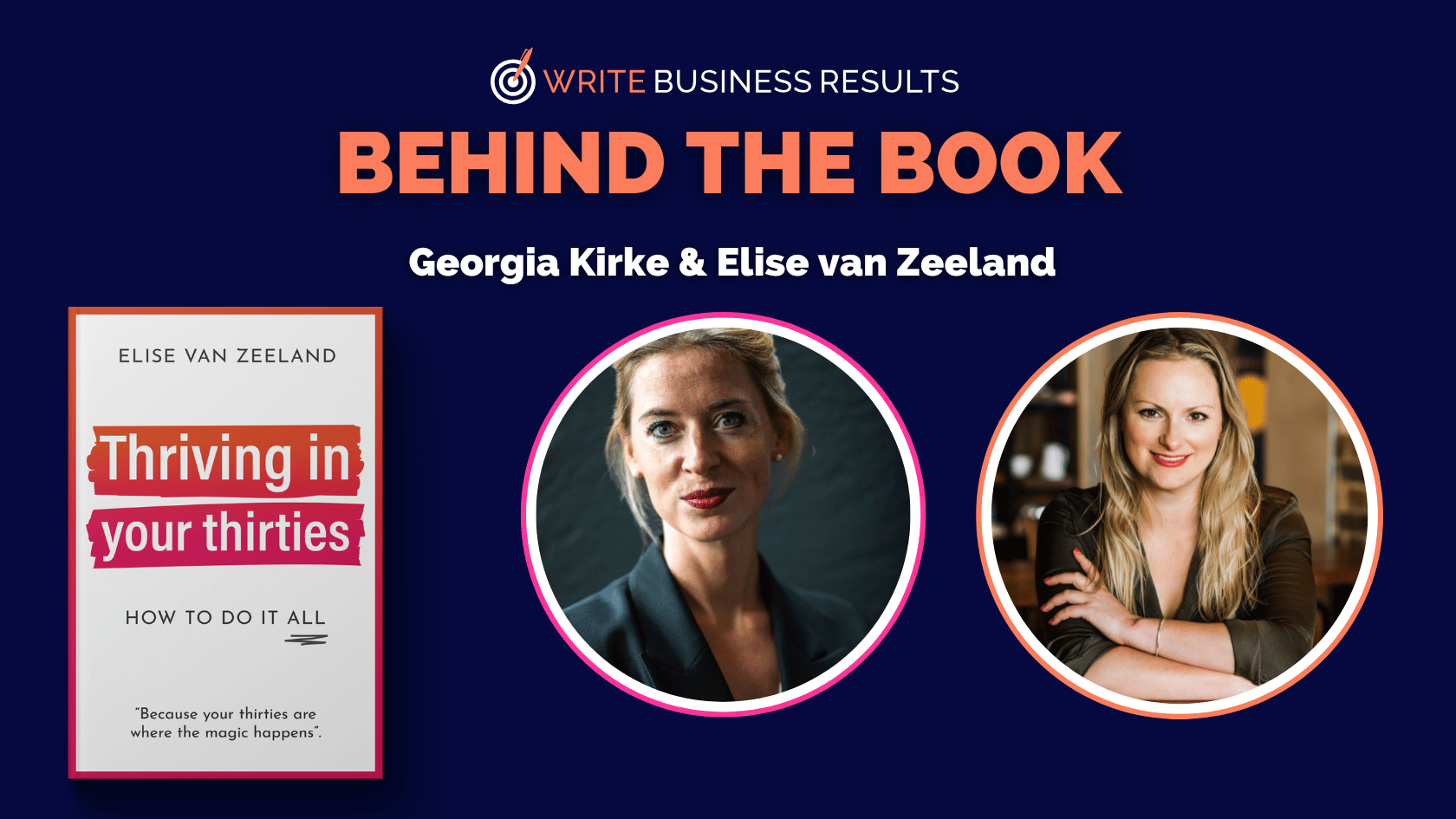
Thriving in Your Thirties: How Elise van Zeeland Turned Lived Experience Into a Message That Resonates

How Expert Content Shapes Company Culture and Longevity

How to Turn Your Content into Commercial Assets

How to Elevate Your Personal and Professional Brand Through Content

How to Become the Go-To Expert in Your Industry

The Hidden Power of Expert Content

What Is Book Publicity? The Ultimate Guide To Creating A Book Publicity Campaign

The Top 10 Business Book Awards For 2025 And Why You Need To Enter Them
%2C%20And%20What%20To%20Do%20With%20It..jpg)
Why You Are Actually Creative (even if you think you’re not), And What To Do With It.
What Are the Most Effective Creative Writing Techniques for Business Books?

111 Simple Phrases That Will Massively Improve Your Writing

Book Trailers: What They Are And Why They're Effective Promotional Tools

The Best Book Marketing Tools for 2024

The Major Amazon Update You Need To Know About


How to Launch Your Business Book Successfully

The Ultimate Checklist for a Business Book That Sells

AI Vs. Human: Which Narrator Will Easily Make Your Audiobook A Bestseller?

3 YouTube Strategies That Will Make Publishers Beg to Work With You