
How Do You Make £100k a Year With a Book?

Let’s talk about money.
Specifically, the kind of money most business authors are quietly hoping their book might generate, but rarely get clear answers about.
There is no shortage of advice telling experts to “write a book and become an authority.” What’s missing is the commercial reality. What does that actually mean in practice? How does a book translate into revenue? And is £100k a year really achievable?
In our experience, the lack of transparency is the real problem.
Many authors arrive having been sold the idea of credibility, with very little explanation of outcomes. Vague promises. Woolly marketing language. Long contracts with short on specifics.
That’s why we take a different approach.
At Write Business Results, we work with authors and book ideas where we can clearly see a path to five- and six-figure returns within 12–18 months of publication, not solely from book sales, but from how the book is strategically integrated into the business.
So let’s be clear from the outset. You are not going to make £100k a year from royalties. At an average profit of around £1–£2 per copy, you’d need to sell tens of thousands of books annually. That’s unrealistic for most business authors and unnecessary.
The real value of a business book lies in how it is leveraged as a business asset. (If this distinction is new, our guide on how to monetise a business book beyond royalties explores this in more depth.)
The mindset shift most authors never make
A six-figure author strategy has very little to do with selling books and everything to do with embedding your book into the core of your business.
Your book should influence:
- How people discover you.
- How they understand your expertise.
- How they qualify themselves before working with you.
- How sales conversations unfold.
- How trust is built at scale.
This is what we mean when we talk about treating a book as a strategic business asset, rather than a standalone product.
Five ways to make £100k a year with your book
There is no single formula. Your strategy must be built around your commercial goals and your primary reader, who is usually also your ideal client.
That said, every successful six-figure author strategy we build includes the following five elements.
1. Synergy: make your book unavoidable
Your book should not be an add-on. It should be woven into every touchpoint where someone encounters you or your business.
That includes:
- Your website and social profiles
- Email signatures and newsletters
- Sales decks and proposals
- Speaking bios and introductions
- Team onboarding and internal language
- Visual environments, from Zoom backgrounds to slide decks
The question to ask is simple: if someone encounters you anywhere, do they immediately understand what you stand for and how your book fits into that?
This kind of consistency is what turns a book into a long-term growth asset, rather than a one-off launch.
2. Signposting: guide people, don’t overwhelm them
Your audience is overloaded with information. What they want is direction.
Your book should act as a clear signpost, guiding people towards the next logical step, whether that’s working with you, joining your community, or deepening their understanding of your ideas.
This is also where visibility matters. For many authors, that includes becoming a self-published bestseller, which remains a powerful trust signal when achieved strategically.
(We break down exactly how business authors achieve this in our article on self-published bestseller strategy.)
3. Social connection: don’t disappear after launch
One of the most common mistakes we see is authors treating launch as the finish line.
When sales don’t immediately materialise, enthusiasm drops. The book is quietly abandoned. And the conclusion drawn is that “the book didn’t work.”
In reality, the opposite is true.
Your book creates one of the warmest relationships you’ll ever have with a prospective client. Someone who has spent five hours reading your ideas is not a cold lead.
This is why ongoing content, blogs, podcasts, and short-form video are so effective when it’s anchored to your book’s core themes.
4. Service design: turn readers into premium clients
A £100k strategy does not require hundreds of clients. Ten clients paying £10,000 each will do it.
Your book should naturally lead into premium services that extend the conversation it starts. When done well, it pre-qualifies clients, shortens sales cycles, and makes your value easier to articulate.
Many authors pair this with supporting assets such as an ebook lead magnet or structured onboarding resources that deepen understanding before the first conversation.
5. Systems: make momentum sustainable
Six-figure author strategies rely on systems, not constant effort.
That includes:
- Lead magnets based on your book’s core ideas.
- Simple scorecards or self-assessments.
- Email nurture sequences that build trust over time.
- Automation that removes friction without removing humanity.
When these systems are aligned, you often need far fewer conversations than you think. Fifty well-qualified conversations can realistically lead to ten premium clients. That’s achievable for most business owners.
The bigger picture
Books don’t make money. Businesses do. But when a book is treated as a business asset supported by the right strategy, visibility
If you want to see how your book could generate five- or six-figure returns, book a Discovery Call to explore how your book could support your business.
Related posts
How Your Book Could Support Your Next Consulting Offer
5 Powerful Metrics To Measure Your Book Launch Success
How To Turn Your Existing Case Studies Into A Powerful Book That Sells
How to Communicate Like a Hostage Negotiator

5 Tips For Writing SEO Content And Boosting Your Visibility

How To Make Money With Your Book: Using Your Book As A Lead Magnet
How To Build An Author Ecosystem And Become A Credible Authority
How Do You Make £100k a Year With a Book?

How to Make Your Self-Published Book a Bestseller in 2026
10 Benefits of Having an Ebook in 2026
.jpg)
10 Reasons Your Podcast Isn't Generating Results (And How To Fix It)

What Makes A Great Business Book?

How A Lonely Surgeon Became A Social Media Sensation By Spreading Joy
How to Monetise Your Business Book After Launch: Proven Strategies From Industry Experts
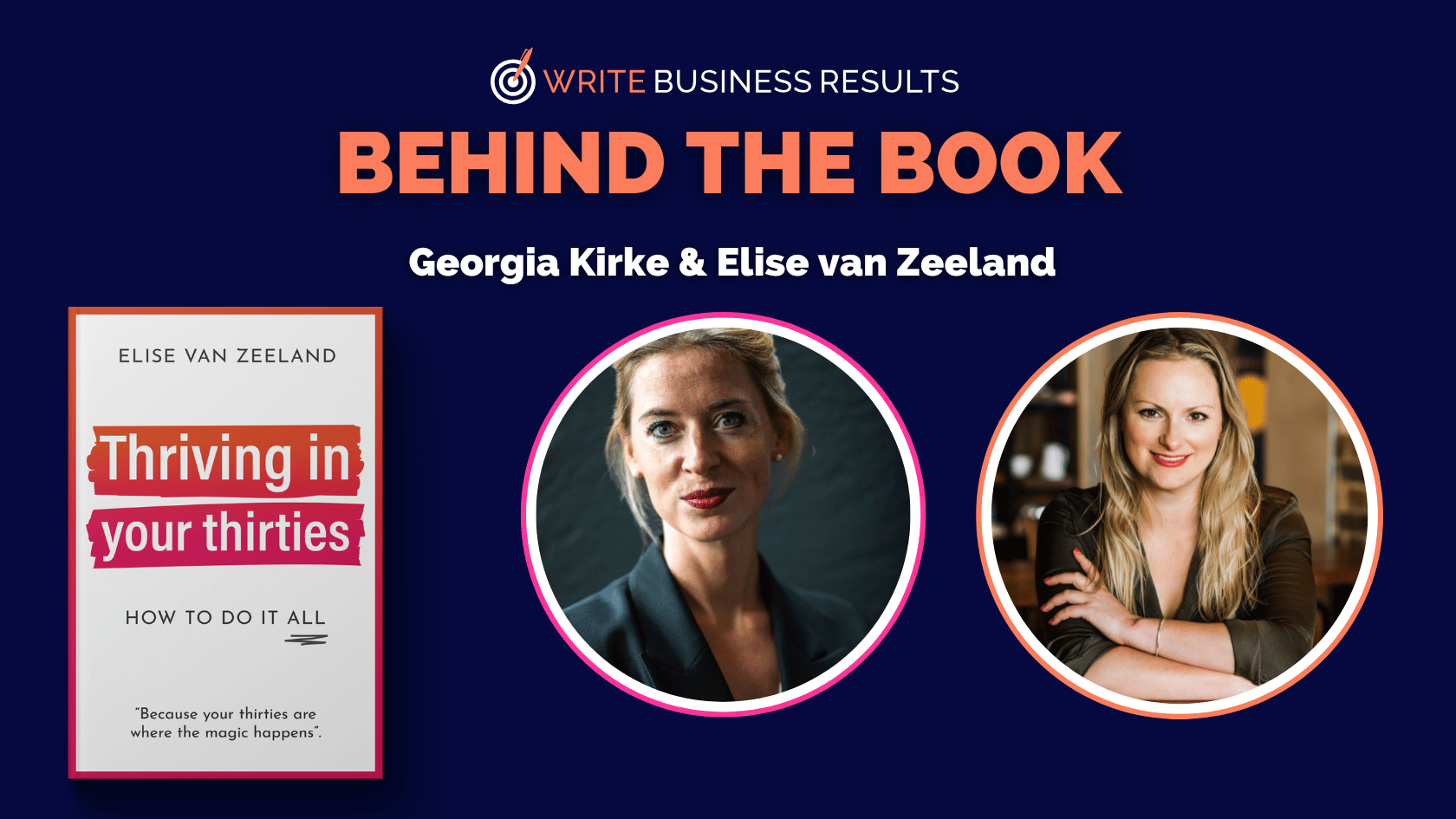
Thriving in Your Thirties: How Elise van Zeeland Turned Lived Experience Into a Message That Resonates
How Expert Content Shapes Company Culture and Longevity

How to Turn Your Content into Commercial Assets

How to Elevate Your Personal and Professional Brand Through Content

How to Become the Go-To Expert in Your Industry
The Hidden Power of Expert Content

What Is Book Publicity? The Ultimate Guide To Creating A Book Publicity Campaign
Business Book Awards: A Practical Guide for 2026 and 2027
%2C%20And%20What%20To%20Do%20With%20It..jpg)
Why You Are Actually Creative (even if you think you’re not), And What To Do With It.
What Are the Most Effective Creative Writing Techniques for Business Books?
111 Simple Phrases That Will Massively Improve Your Writing
Book Trailers: What They Are And Why They're Effective Promotional Tools
The Best Book Marketing Tools for 2024

The Major Amazon Update You Need To Know About

How to Launch Your Business Book Successfully

The Ultimate Checklist for a Business Book That Sells

AI Vs. Human: Which Narrator Will Easily Make Your Audiobook A Bestseller?

3 YouTube Strategies That Will Make Publishers Beg to Work With You