
Content Marketing and Business Books: How They Work Together


Reviewed and updated 12 October 2026. Originally published 3 May 2024.
A business book and the content around it should help people understand the same message. The book gives readers a substantial explanation of your thinking; articles, videos and conversations help them discover it and explore particular ideas.
For a business author, the purpose may include reader relationships, recognition, client enquiries, partnerships or speaking. Book sales can matter too. Agree what the campaign should support before choosing channels and activity.
How do publishing and marketing responsibilities fit together?
Publishing arrangements vary. A traditional publisher, a hybrid provider and a self-publishing team may each handle different parts of the work. Do not assume every marketing task is included.
Clarify who prepares the listing, promotional material, media outreach, events and ongoing content. Agree the budget, approvals and timing with the people involved. Your own network and participation may still be an important part of the campaign.
1. Are you reaching the right audience?
Start with the people the book is for and where they already engage with the subject. LinkedIn may suit some professional audiences, while other projects may benefit from associations, communities, newsletters, podcasts or events.
Use your knowledge of the reader to shape the invitation. Explain a relevant question or idea from the book rather than simply announcing that it exists. A potential partner also needs to understand why the subject is useful to their audience.
Choose a manageable set of channels. Being present everywhere is less useful than making a clear, relevant contribution where the right people will see it.
2. Can the activity continue after launch?
Publication gives you a starting point for further conversations. Plan how to keep the ideas useful after the initial announcement, with realistic responsibilities and time commitments.
You might develop an article from a recurring reader question, share a passage after a client conversation or explore a workshop with a relevant partner. The next step should fit your audience and the work your business offers.
There is no universal posting frequency that guarantees success. Agree a schedule you can sustain, assess the response and adapt around the opportunities that matter.
3. Does the content sound like you?
Your experience and perspective are the reason the book is useful. Share enough context with anyone helping you create content so that they understand the reader, central ideas, examples and tone.
Review material for accuracy and voice. Keep a consistent message while allowing each format to do its own job: a short video may answer one question, while a chapter explores an argument in more depth.
Give readers a useful next step. Check that the page or resource linked from the book delivers what the invitation promises and reflects your current support.
How should you measure the contribution?
Track relevant conversations and opportunities alongside readership, visits and campaign activity. Ask contacts what role the book or content played in their decision. Distinguish enquiries, signed work and revenue received, and allow for existing relationships and other marketing.
A clear campaign helps you learn which ideas and invitations resonate. Use that learning to strengthen the connection between your expertise and the work your business does.
How can WBR help?
Our book marketing and launch support connects positioning, audience and campaign decisions. Strategic advisory and consulting can help connect the book with your wider offers, relationships and business plans. Scope and deliverables are agreed in your proposal.
Book a Clarity Call to explore the approach that fits your book and business.
Related posts
Content Marketing and Business Books: How They Work Together
How to Work Through Writer’s Block on Your Business Book
How Your Book Could Support Your Next Consulting Offer
5 Powerful Metrics To Measure Your Book Launch Success
How To Turn Your Existing Case Studies Into A Powerful Book That Sells
How to Communicate Like a Hostage Negotiator

5 Tips For Writing SEO Content And Boosting Your Visibility

How To Make Money With Your Book: Using Your Book As A Lead Magnet
How To Build An Author Ecosystem And Become A Credible Authority

How Do You Make £100k a Year With a Book?

How to Approach a Bestseller Launch for Your Business Book
10 Benefits of Having an Ebook in 2026
.jpg)
10 Reasons Your Podcast Isn't Generating Results (And How To Fix It)

What Makes A Great Business Book?

How A Lonely Surgeon Became A Social Media Sensation By Spreading Joy

How to Monetise Your Business Book After Launch
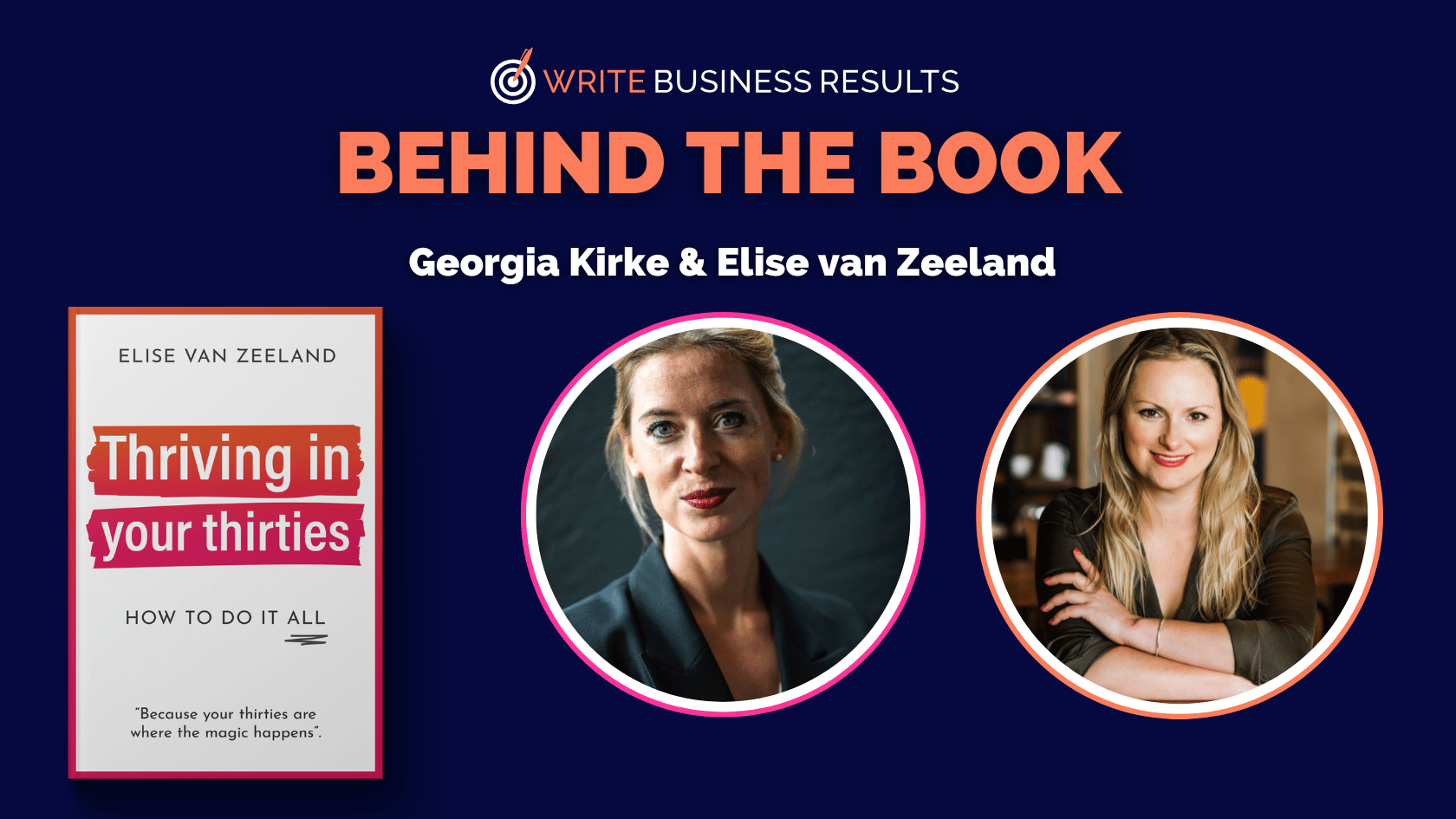
Thriving in Your Thirties: How Elise van Zeeland Turned Lived Experience Into a Message That Resonates
How Expert Content Shapes Company Culture and Longevity

How to Turn Your Content into Commercial Assets
How to Elevate Your Personal and Professional Brand Through Content

How to Become the Go-To Expert in Your Industry
The Hidden Power of Expert Content

What Is Book Publicity? The Ultimate Guide To Creating A Book Publicity Campaign
Business Book Awards: A Practical Guide for 2026 and 2027
%2C%20And%20What%20To%20Do%20With%20It..jpg)
Why You Are Actually Creative (even if you think you’re not), And What To Do With It.
What Are the Most Effective Creative Writing Techniques for Business Books?
111 Simple Phrases That Will Massively Improve Your Writing
Book Trailers: What They Are And Why They're Effective Promotional Tools
Book Marketing Tools: How to Choose What Your Campaign Needs
Amazon Book Categories, Keywords and Rankings: A Practical Guide
How to Launch Your Business Book Successfully

Business Book Publishing Checklist: 10 Checks Before Launch

AI or Human Narration? Choosing a Voice for Your Business Audiobook

3 YouTube Strategies to Build Your Business Author Platform